Costa Rica, a Central American country, boasts a rich and diverse culture shaped by
centuries of history, influenced by Indigenous traditions, Spanish colonization, and
Afro-Caribbean heritage. This cultural tapestry is evident in various aspects of daily life,
from clothing and food to arts and crafts, the film industry, and the economy. Here's an
overview of these elements:
 Traditional Clothing and Attire:
Costa Rica’s traditional clothing is a vibrant reflection of its diverse cultural history,
blending indigenous, Spanish, and African influences. The attire is primarily worn during
festivals and national celebrations, with the most iconic outfits rooted in rural traditions.
Women typically wear colorful skirts, known as enaguas, adorned with floral patterns, and
blouses featuring delicate embroidery and ruffled sleeves. These are paired with scarves or
ribbons in their hair. Men traditionally wear white pants and shirts, complemented by
colorful sashes tied around their waists, along with sombreros (wide-brimmed hats) to
protect them from the tropical sun. The traditional clothing of Costa Rica is not only symbolic
but also functional, particularly suited for the country’s warm climate and agricultural past.
During cultural festivals like Día de los Boyeros, you can see people in these traditional
outfits, showcasing the pride Costa Ricans hold in their heritage.
Traditional Clothing and Attire:
Costa Rica’s traditional clothing is a vibrant reflection of its diverse cultural history,
blending indigenous, Spanish, and African influences. The attire is primarily worn during
festivals and national celebrations, with the most iconic outfits rooted in rural traditions.
Women typically wear colorful skirts, known as enaguas, adorned with floral patterns, and
blouses featuring delicate embroidery and ruffled sleeves. These are paired with scarves or
ribbons in their hair. Men traditionally wear white pants and shirts, complemented by
colorful sashes tied around their waists, along with sombreros (wide-brimmed hats) to
protect them from the tropical sun. The traditional clothing of Costa Rica is not only symbolic
but also functional, particularly suited for the country’s warm climate and agricultural past.
During cultural festivals like Día de los Boyeros, you can see people in these traditional
outfits, showcasing the pride Costa Ricans hold in their heritage.
 Language and Literature:
The official language of Costa Rica is Spanish, spoken by the majority of the population,
though there are regional dialects and influences from indigenous languages such as Bribri
and Cabécar. Costa Rica has a thriving literary tradition, shaped by its peaceful history and
focus on education. Carmen Lyra, one of Costa Rica’s most famous writers, is best known for
her collection of children's stories, "Los Cuentos de mi Tía Panchita," which is a staple in
Costa Rican classrooms. Joaquín Gutiérrez, another literary giant, captured the struggles of
the working class in novels like "Murámonos Federico" and "Puerto Limón", reflecting the
country’s social dynamics and economic challenges. Contemporary authors like Tatiana Lobo and
Quince Duncan continue to explore Costa Rica’s identity through themes of environmental
conservation, migration, and multiculturalism. Costa Rica’s emphasis on education and
literacy has made literature an integral part of its national identity, with numerous literary
festivals promoting reading and creative writing throughout the country.
Language and Literature:
The official language of Costa Rica is Spanish, spoken by the majority of the population,
though there are regional dialects and influences from indigenous languages such as Bribri
and Cabécar. Costa Rica has a thriving literary tradition, shaped by its peaceful history and
focus on education. Carmen Lyra, one of Costa Rica’s most famous writers, is best known for
her collection of children's stories, "Los Cuentos de mi Tía Panchita," which is a staple in
Costa Rican classrooms. Joaquín Gutiérrez, another literary giant, captured the struggles of
the working class in novels like "Murámonos Federico" and "Puerto Limón", reflecting the
country’s social dynamics and economic challenges. Contemporary authors like Tatiana Lobo and
Quince Duncan continue to explore Costa Rica’s identity through themes of environmental
conservation, migration, and multiculturalism. Costa Rica’s emphasis on education and
literacy has made literature an integral part of its national identity, with numerous literary
festivals promoting reading and creative writing throughout the country.
 Music and Dance:
Costa Rica’s music and dance are deeply influenced by its multicultural heritage, blending
indigenous, African, and European elements to create a vibrant cultural landscape. Cumbia and
Salsa are widely popular throughout the country, reflecting the influence of Latin American
rhythms, while the Marimba, a wooden percussion instrument of African origin, remains an iconic
symbol of Costa Rican traditional music, particularly in the Guanacaste region. Indigenous
music, especially from the Bribri and Boruca cultures, is often centered around the use of
flutes and drums, offering a connection to the country's pre-Columbian past. Costa Rican folk
dances, like the Punto Guanacasteco, are performed during national festivals, showcasing
graceful, swirling movements meant to symbolize courtship. Cimarrona bands, playing brass and
percussion instruments, add a festive atmosphere to parades and public events, while Tico-style
reggae and calypso, originating from the Afro-Caribbean communities, are staples in the
Limón province. Dance and music in Costa Rica are not just forms of entertainment, but vital
expressions of the nation’s diverse cultural identity.
Music and Dance:
Costa Rica’s music and dance are deeply influenced by its multicultural heritage, blending
indigenous, African, and European elements to create a vibrant cultural landscape. Cumbia and
Salsa are widely popular throughout the country, reflecting the influence of Latin American
rhythms, while the Marimba, a wooden percussion instrument of African origin, remains an iconic
symbol of Costa Rican traditional music, particularly in the Guanacaste region. Indigenous
music, especially from the Bribri and Boruca cultures, is often centered around the use of
flutes and drums, offering a connection to the country's pre-Columbian past. Costa Rican folk
dances, like the Punto Guanacasteco, are performed during national festivals, showcasing
graceful, swirling movements meant to symbolize courtship. Cimarrona bands, playing brass and
percussion instruments, add a festive atmosphere to parades and public events, while Tico-style
reggae and calypso, originating from the Afro-Caribbean communities, are staples in the
Limón province. Dance and music in Costa Rica are not just forms of entertainment, but vital
expressions of the nation’s diverse cultural identity.
 Ceremonies and Festivals:
Festivals and ceremonies in Costa Rica are vibrant reflections of the country’s deep religious,
agricultural, and indigenous traditions. One of the most famous events is Día de los Boyeros,
or Oxcart Drivers' Day, a colorful celebration of Costa Rica’s agricultural past, where
beautifully painted ox carts parade through the streets of San Antonio de Escazú. Fiestas de
Palmares is one of the largest festivals in the country, combining music, bullfights,
traditional food, and rides over two weeks of celebration. Semana Santa (Holy Week) is
observed with solemn religious processions throughout the country, with towns and cities coming
alive with reenactments of biblical events, particularly in the city of Cartago, the spiritual
heart of Costa Rica. Another important festival is Día de la Independencia (Independence
Day), celebrated on September 15th, which features parades, school band performances, and
fireworks. Indigenous festivals, like the Fiesta de los Diablitos in the Boruca community,
commemorate indigenous resistance to Spanish colonization with colorful, masked dances and
rituals. These festivals are an integral part of Costa Rican culture, allowing locals and
visitors alike to experience the rich traditions and joyful spirit of the country.
Ceremonies and Festivals:
Festivals and ceremonies in Costa Rica are vibrant reflections of the country’s deep religious,
agricultural, and indigenous traditions. One of the most famous events is Día de los Boyeros,
or Oxcart Drivers' Day, a colorful celebration of Costa Rica’s agricultural past, where
beautifully painted ox carts parade through the streets of San Antonio de Escazú. Fiestas de
Palmares is one of the largest festivals in the country, combining music, bullfights,
traditional food, and rides over two weeks of celebration. Semana Santa (Holy Week) is
observed with solemn religious processions throughout the country, with towns and cities coming
alive with reenactments of biblical events, particularly in the city of Cartago, the spiritual
heart of Costa Rica. Another important festival is Día de la Independencia (Independence
Day), celebrated on September 15th, which features parades, school band performances, and
fireworks. Indigenous festivals, like the Fiesta de los Diablitos in the Boruca community,
commemorate indigenous resistance to Spanish colonization with colorful, masked dances and
rituals. These festivals are an integral part of Costa Rican culture, allowing locals and
visitors alike to experience the rich traditions and joyful spirit of the country.

Costa Rica Clothing
In Costa Rica, traditional clothing is characterized by its bright colors and cultural symbolism. Women’s outfits, particularly during festivals, consist of long, layered skirts in vibrant hues, often paired with blouses adorned with ribbons and embroidery. Men wear white shirts and pants, complemented by red scarves and wide-brimmed hats. These traditional costumes are usually seen during cultural events and holidays. While modern, casual clothing dominates everyday life, traditional attire plays an important role in maintaining Costa Rican heritage during national festivals and celebrations.
Costa Rica Food
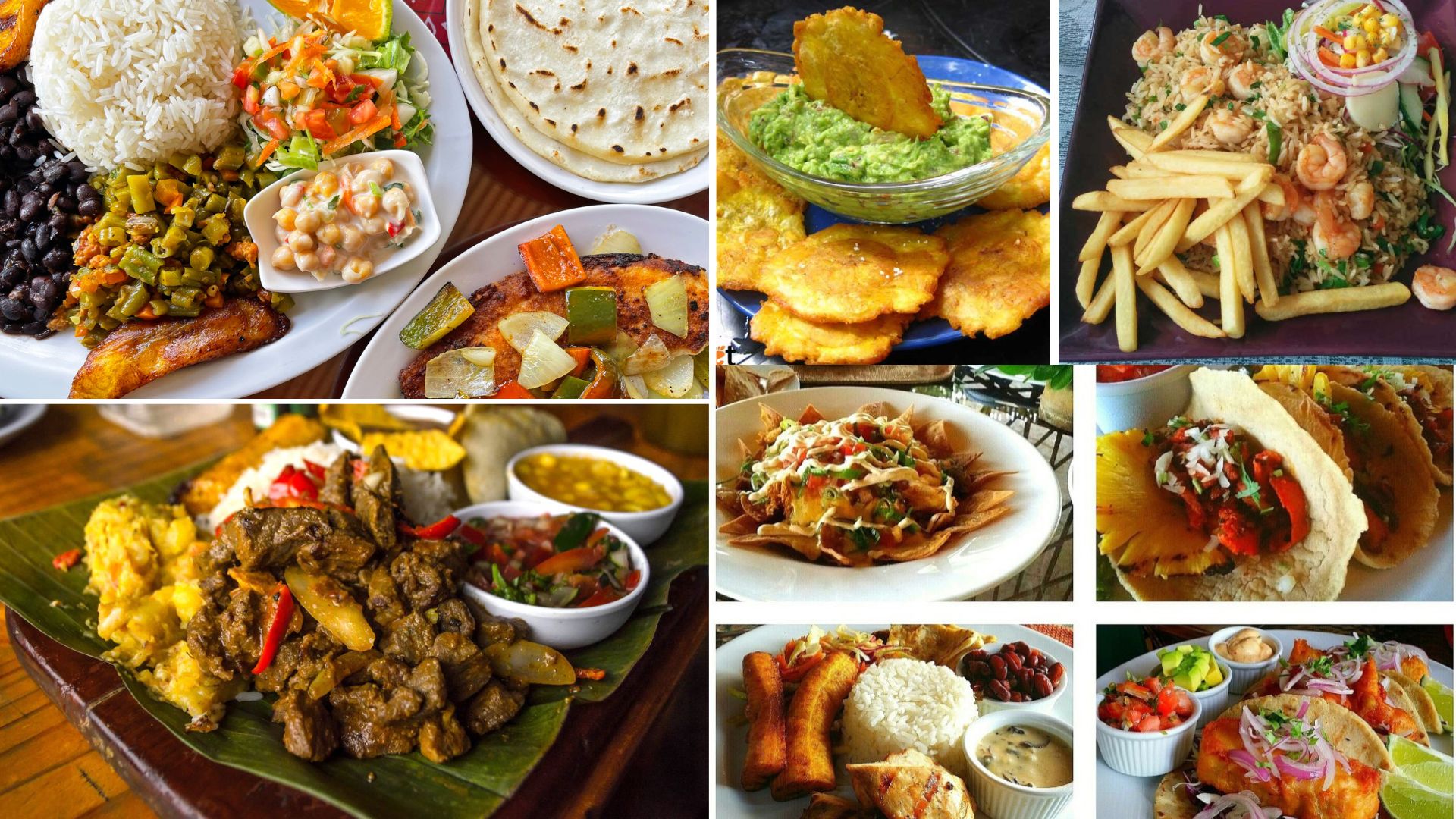
Costa Rican cuisine is simple yet flavorful, emphasizing fresh ingredients. Gallo Pinto, a mixture of rice and beans, is a staple breakfast dish. Another popular dish is Casado, which combines rice, beans, plantains, salad, and meat or fish. Ceviche, marinated raw fish in lime juice, is also a favorite, especially in coastal regions. Costa Rican food reflects the country’s agricultural bounty, with tropical fruits, fresh vegetables, and seafood frequently incorporated. The emphasis on fresh, locally sourced ingredients makes Costa Rican cuisine both healthy and delicious.

Costa Rica Arts and Crafts
Costa Rican arts and crafts are rich in indigenous and colonial influences. The carreta, or oxcart, is a national symbol, often intricately painted with vibrant colors and geometric patterns. These carts were traditionally used to transport goods and are now celebrated as a part of the country’s cultural heritage. Handcrafted jewelry, pottery, and woven textiles are also popular, particularly in indigenous communities. Costa Rica’s artisans take pride in their work, blending traditional techniques with modern designs to create unique, high-quality crafts sold in markets and galleries across the country.
Costa Rica Film Industry
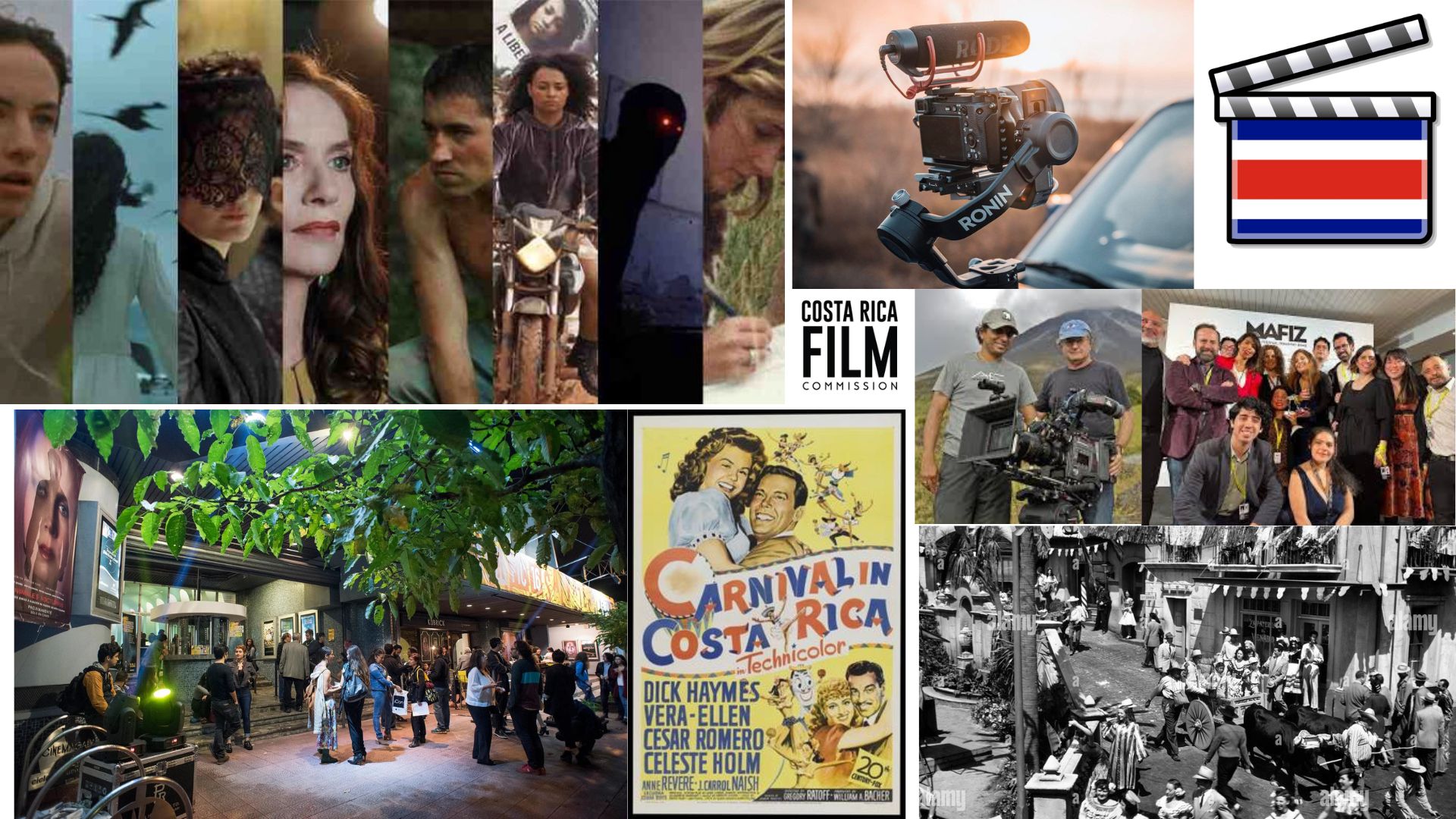
Though relatively small, Costa Rica’s film industry is growing, with an increasing number of films focusing on the country’s social issues, environment, and cultural heritage. Directors like Esteban Ramírez and Ishtar Yasin have gained international recognition for their films, which highlight themes of identity, migration, and environmental conservation. Costa Rica hosts several film festivals, including the Costa Rica International Film Festival, providing a platform for local filmmakers to showcase their work. The country’s commitment to eco-friendly and socially conscious filmmaking continues to elevate its presence on the global cinematic stage.
Costa Rica Economy
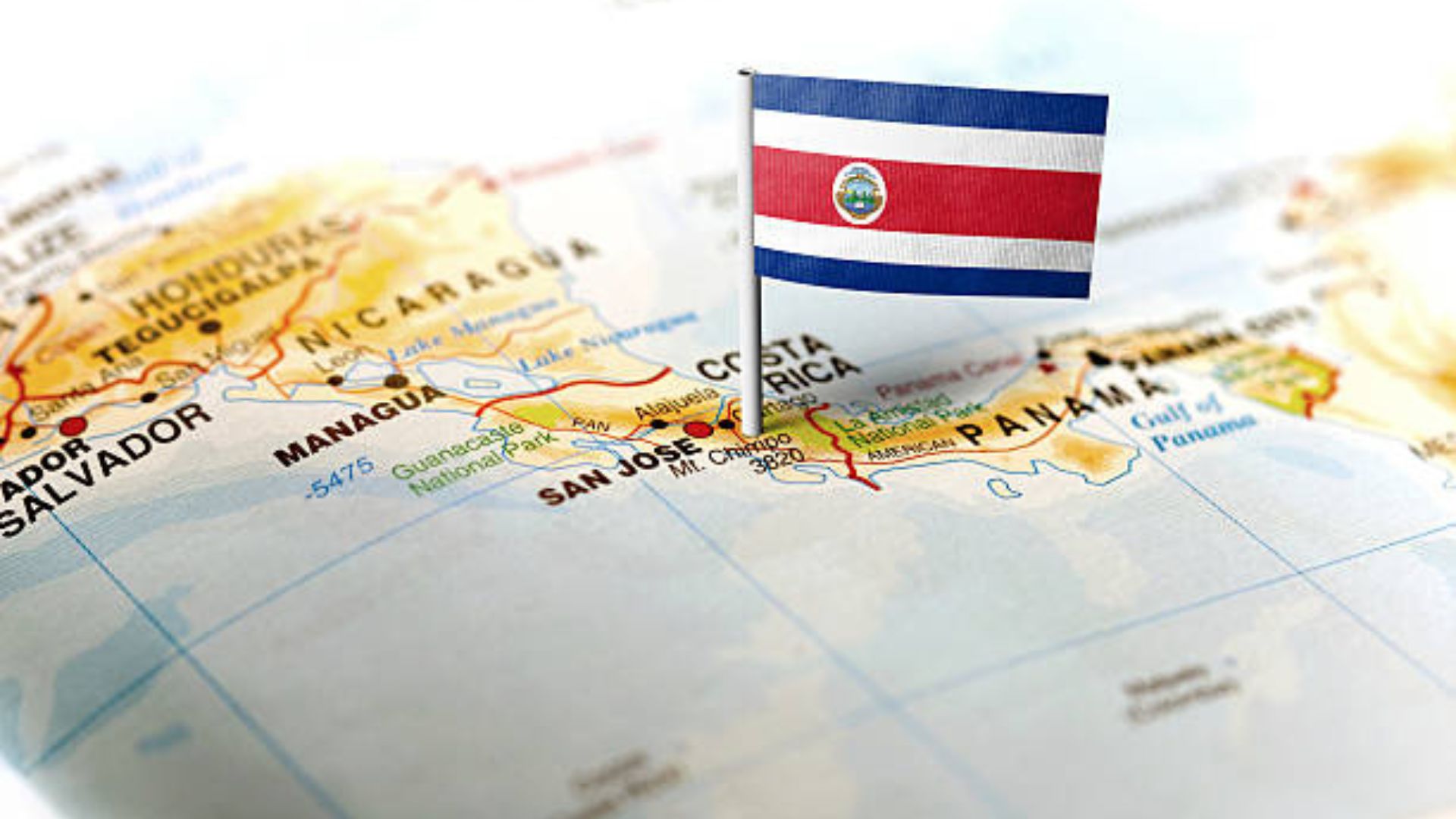
Costa Rica has one of the most stable economies in Latin America, driven by tourism, agriculture, and technology. The country is known for its commitment to ecotourism, with visitors flocking to explore its rich biodiversity, including rainforests, beaches, and volcanoes. Agriculture, particularly the production of coffee, bananas, and pineapples, is another key sector. Recently, Costa Rica has become a hub for technology and medical device manufacturing, attracting foreign investment. The government’s focus on education and sustainability has helped position Costa Rica as a leader in environmental and social development.